

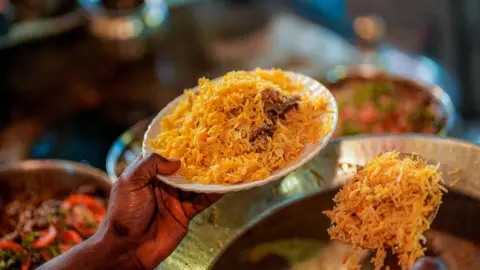
Mouth-watering kebabs, scented biryani, and whipped, cloud-like desserts.
The historic city in northern India of Lucknow has forever been a dream destination for epicures, with locals and tourists alike celebrating its remarkable cuisine.
Worldwide Recognition
Recently, Unesco designated it as a Creative City of Gastronomy – adding it to a select roster of world cities and igniting hopes that it will spotlight Lucknow's sublime food. With this title, it enters a global network of cities metropolises across over 100 countries focused on promoting "innovation as a driver of development that sustains urban life".
The accolade "stands as proof of its deep-rooted gastronomic legacy and lively food ecosystem," as stated by a spokesperson from Unesco's regional bureau for South Asia.
Lucknow is just the second Indian city – after Hyderabad, which was selected in 2019 – to earn a spot in this prestigious list of seventy urban centers internationally.
An Urban Center with a Culinary Soul
The accolade for this venerable city arrives as little surprise to its inhabitants or avid food lovers. Many agree with the view that it is "an honor long overdue".
With the UNESCO accolade, this cherished, lively, and eclectic city – the capital of India's most populous state – is at last in the global gaze for what has always characterized its soul: an immense devotion for food.
"'What will be cooked, how will it be cooked' is a continued dialogue from morning until going to bed in most homes," states a local cultural expert. "And you are actually assessed by the quality of food that is produced in your kitchen."
A Heritage of Nawabi Cuisine
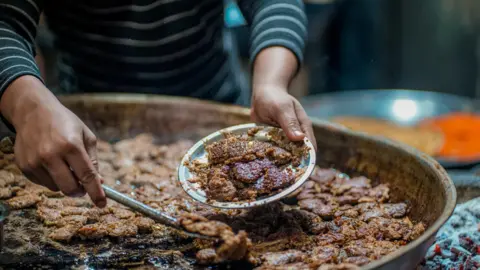
The City of Nawabs – as it's popularly called after its 18th and 19th-century wealthy Muslim rulers – is famed for its tender kebabs and a unique take on biryani that were conceived, evolved, and taken to sublime levels in their royal kitchens.
These imperial kitchens were centers of food experimentation, merging Iranian and local Indian styles to create what became known as the culinary tradition of Awadh.
It was in that period that Lucknow's most famous kebabs were created. As the tale is told that the galouti kebab was invented to cater to an elderly nawab who had no longer had his teeth. His chefs minced the meat with raw papaya, saffron, and spices and made it so silky that it needed no chewing.
But perhaps the biggest contribution of the chefs of Awadh was the slow-cooking Dum pukht technique, where food is cooked on a low, slow heat, with the pot's lid securely closed with dough.
More Than Just Famous Dishes
Besides the famous kebabs and biryani, the cooks also built up a collection of dishes that included kormas (rich curries), sheermal (saffron-infused flatbread), and shahi tukda (a rich bread pudding).
However, Lucknow is not only about kebabs and biryani – the region is also a haven for vegetarians.
The local Baniya community's cuisine doesn't just showcases local ingredients but also offers the city its meticulously prepared Indian desserts, sweets, and unique street food, like chaat – zesty fried snacks.
Time-Tested Food Joints
Nearly on countless corners, there are tiny kiosks and kiosks – hidden gems that are wildly favored by the locals.
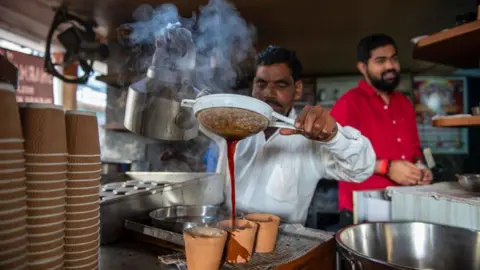
In the central district of Hazratganj, throngs of people start assembling from the crack of dawn at a famous tea stall to get a steaming cup of milky masala chai, presented in earthenware cups, along with incredibly soft buns slathered with hand-churned white butter.
To start the day, one can visit a unpretentious joint operating in the old city area of Aminabad. Nearly 150 years after it was founded, the place is still highly popular for its hot kachoris (fried bread stuffed with lentils) and jalebis (crispy, syrup-soaked sweets).
Preserving Tradition for the Future
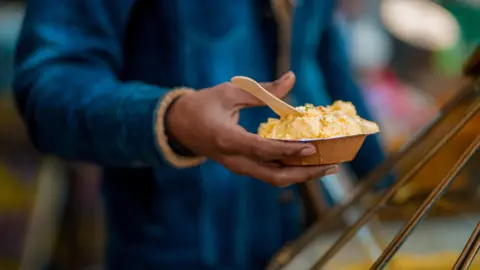
The city also offers remarkable treats of the season, such as makkhan malai, a airy dessert available in the winter. The technique of making it is precise and demanding. The artisan hand-churns the milk and then sets it out at night, allowing the nighttime moisture to give it its incredible airy feel.
On crisp mornings, street vendors are often seen in historic neighborhoods like Aminabad and Chowk. Some though express concern that their younger generation are reluctant to master the art.
A well-known culinary expert from Lucknow has noted that the city's immense food legacy places it among the best of the Indian street food experience. The real value from the UNESCO recognition, it is believed, will be realized only if Lucknow can now create awareness about its lesser-known eateries.
Every dish in Lucknow has a narrative – influenced by generational food businesses, from humble street carts to bustling restaurants, and guarded family recipes.
The worldwide honor, it is anticipated, will inspire more people worldwide to discover these tales and visit the city to savour the culinary delights of Lucknow.
